
Hot Wallet vs Cold Wallet Architecture: What Risk Managers Need to Know
In early 2025, the Bybit exchange lost $1.5 billion in Ethereum during a transfer … Read more
The risk management lifecycle is the loop every framework describes in slightly different words: identify, assess, treat, monitor, report, and then start again because the exposure has already changed. ISO 31000 and NIST CSF 2.0 disagree on vocabulary and emphasis, not on shape.
The stage most organisations get wrong is the last one. Identification and assessment attract attention and budget; monitoring quietly decays until the register describes a business that no longer exists. A lifecycle that runs once a year during audit season is a document, not a process.
This section walks the stages in general terms and then in specific contexts, including IT and cyber risk under NIST CSF 2.0, financial crime, the spiral SDLC model, and security risk management. It links to risk assessment for the analytical core of the loop, key risk indicators for the monitoring stage that usually fails first, and enterprise risk management for the governance that decides who owns each stage.
In early 2025, the Bybit exchange lost $1.5 billion in Ethereum during a transfer … Read more
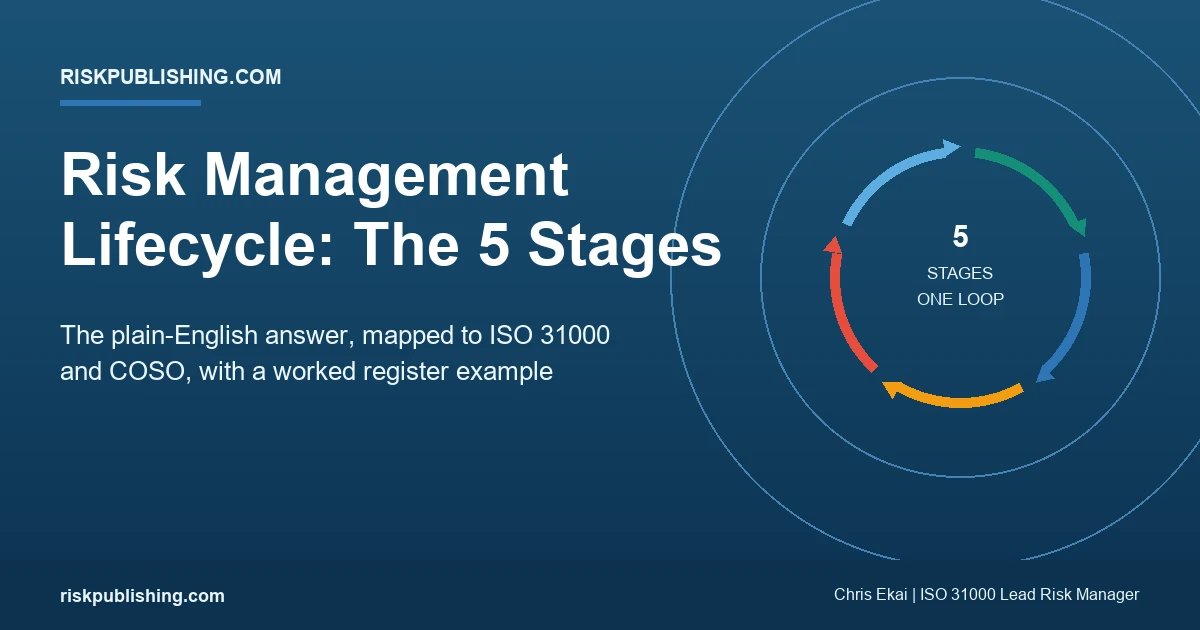
The risk management lifecycle is the continuous five-stage loop organizations use to handle uncertainty: … Read more

In January 2026, a US healthcare system lost 3.4 million patient records after a … Read more

On July 19, 2024, a faulty content update to CrowdStrike’s Falcon sensor crashed 8.5 … Read more
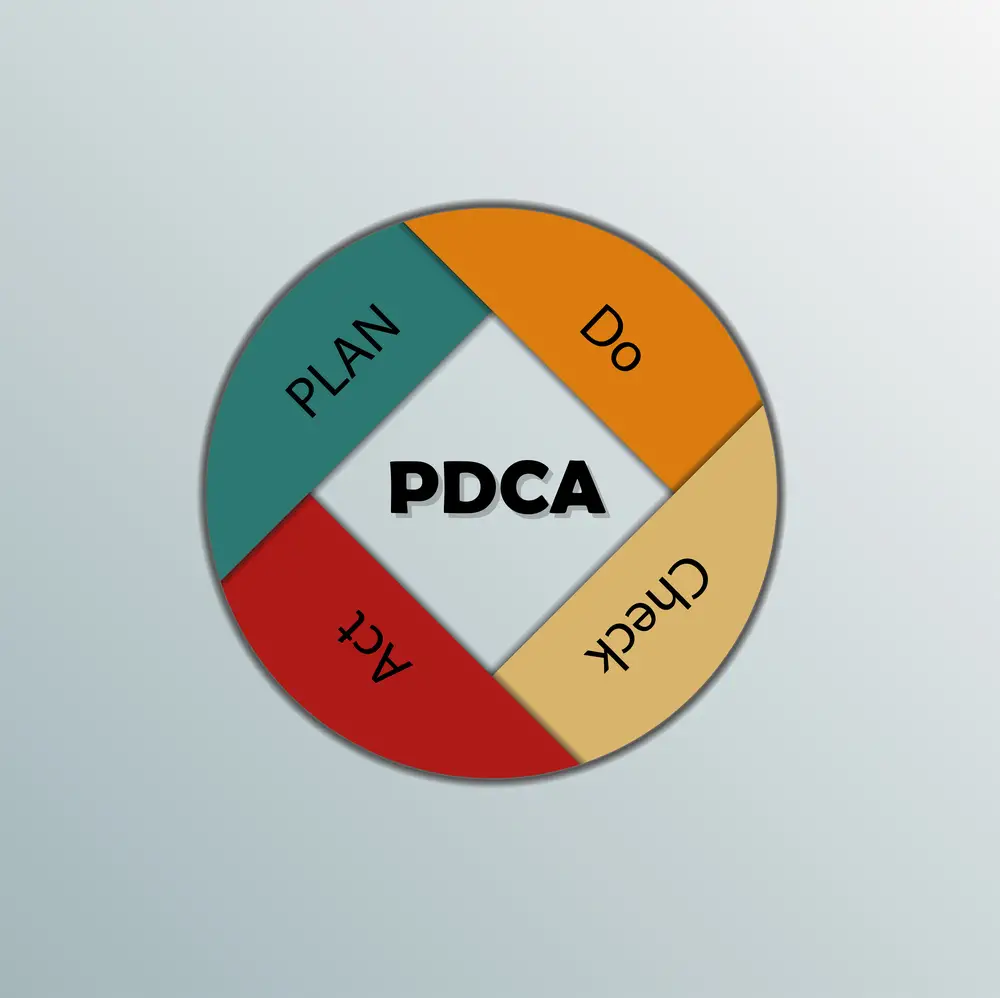
The Spiral Lifecycle Model is Boehm’s risk-driven framework for software development, and risk management … Read more

In an era where cyber threats are evolving rapidly and security breaches make headlines, … Read more
On 10 October 2024, TD Bank agreed to pay roughly $3.09 billion and pleaded … Read more
The IT risk management lifecycle is a continuous five-stage loop: identify technology risks, assess … Read more
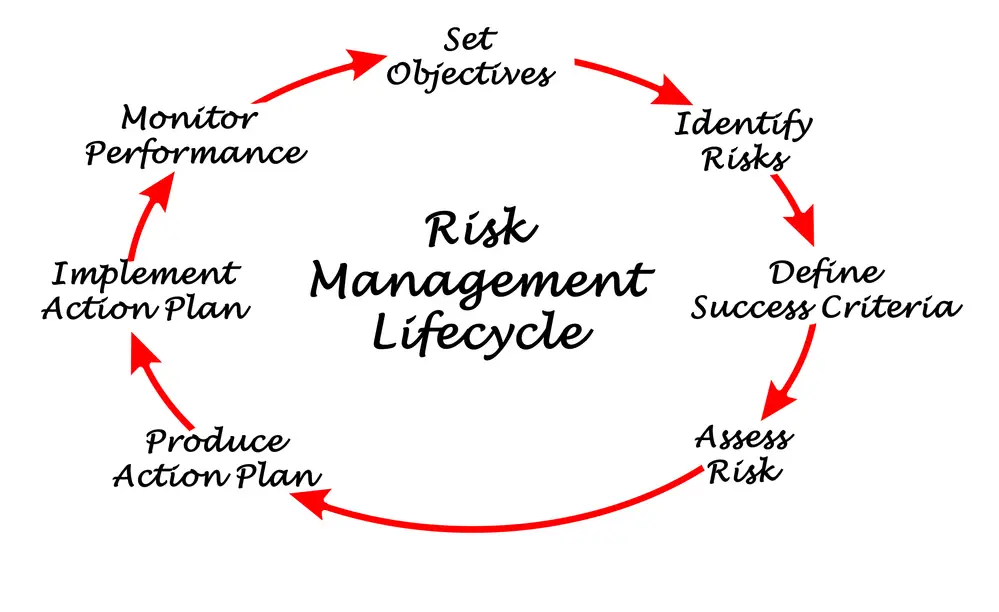
Project and risk management life cycles and cycles often comprise five key stages: introduction, … Read more

Key Takeaways The risk management life cycle is the continuous, iterative process of identifying, … Read more