What Does ERM Mean in Text? The Complete Guide from Texting Slang to Enterprise Risk Management
Key Takeaways ✓ In casual texting, “erm” is a hesitation filler meaning “um” or … Read more
Enterprise risk management (ERM) is the discipline of identifying, assessing, and treating the full portfolio of risks that could prevent an organization from meeting its strategic objectives — financial, operational, strategic, compliance, and emerging risks alike. Unlike siloed risk functions, ERM gives boards and executives a single, integrated view of exposure so capital, controls, and management attention can be allocated where they move the needle most.
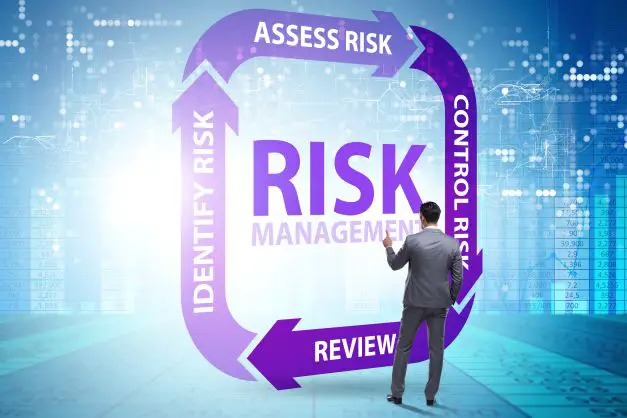
A mature ERM programme rests on three foundations. First, a governance framework — typically ISO 31000 or COSO ERM — that defines roles, escalation paths, and the three lines of defence. Second, a clear risk appetite statement that translates board tolerance into quantitative limits business units can actually manage against. Third, a repeatable risk management lifecycle covering identification, assessment, treatment, monitoring, and reporting.
Operationally, ERM depends on disciplined risk assessment — inherent vs residual scoring, control effectiveness testing, and scenario analysis — to keep the risk register honest. It also connects to sibling disciplines: business continuity management covers how the organisation survives disruption, information security management handles cyber and data risks, and governance, risk, and compliance (GRC) integrates the tooling and reporting that sits above all three.
Use this hub to explore frameworks, practitioner templates, certification guides (CRISC, FRM, PRM), and software comparisons. Whether you’re stood up a new ERM function or maturing an existing one, the resources below cover the methods, metrics, and reporting practices used by risk teams across financial services, healthcare, technology, and the public sector.
Key Takeaways ✓ In casual texting, “erm” is a hesitation filler meaning “um” or … Read more

A key risk indicator (KRI) is a measurable value that indicates the level of … Read more
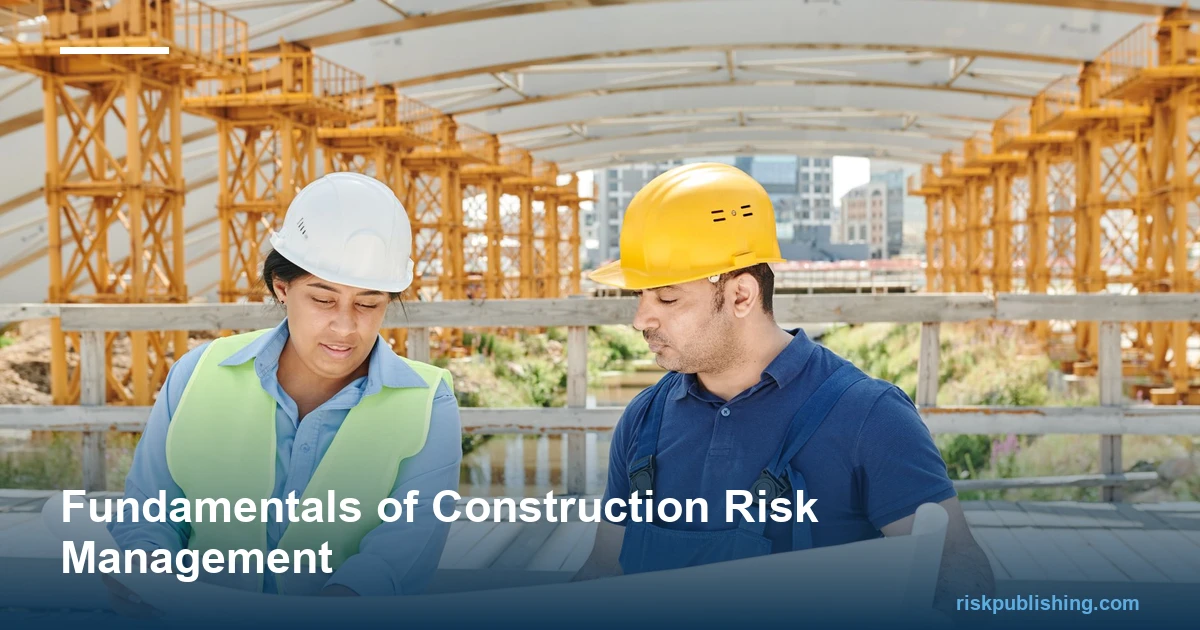
Construction risk management is the discipline of identifying, assessing, responding to, and monitoring threats … Read more
Enterprise Risk Management Cyber Security is a crucial element of any organization’s protection against … Read more

The Project Risk Manager will be responsible for identifying, analyzing, and mitigating a wide … Read more
On 2 June 2016, nine soldiers from the 3rd Battalion, 16th Field Artillery Regiment … Read more
Key Takeaways Quantitative risk management uses mathematical and statistical methods to measure risk exposure … Read more
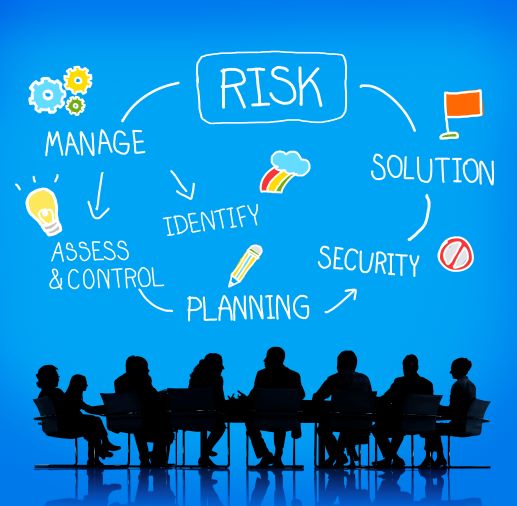
Key Takeaways The risk management lifecycle is a continuous, iterative process—not a linear checklist. … Read more
The importance of risk management in projects is not something to be taken lightly. … Read more
Risk management and insurance are two aspects of the business. Both are essential for … Read more
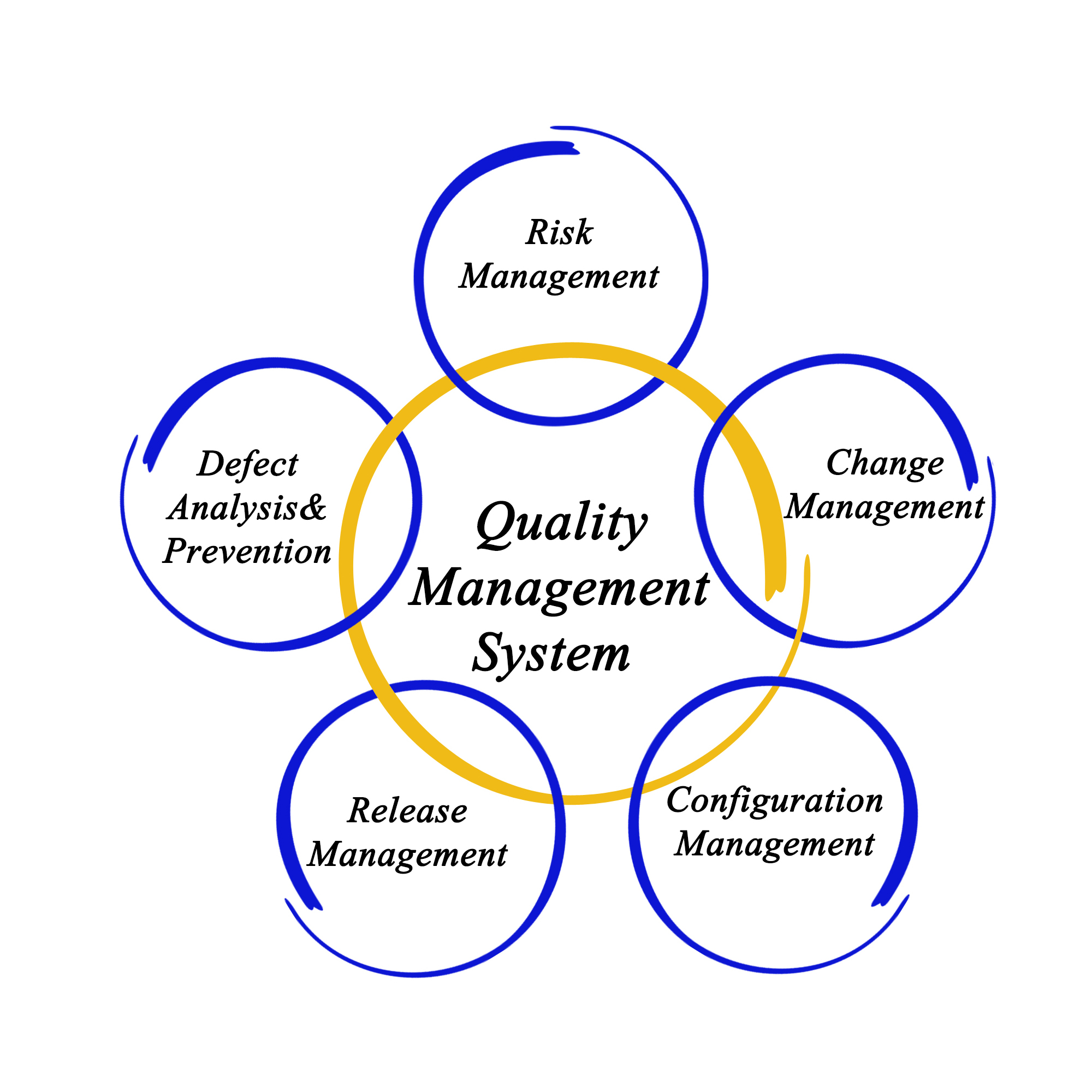
Quality risk management is the systematic process of assessing, controlling, communicating and reviewing risks … Read more
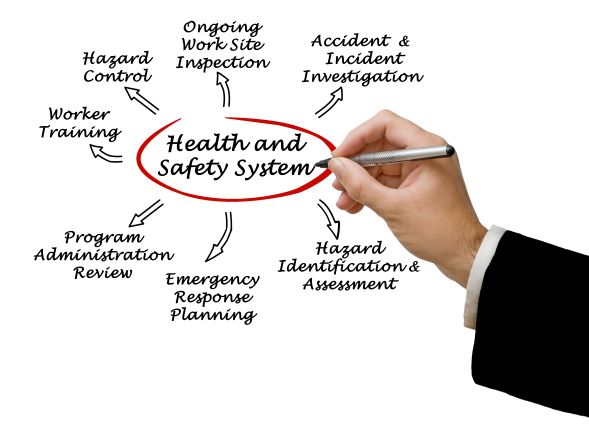
A 21-year-old warehouse worker in Ohio was crushed between a forklift and a pallet … Read more